
Scratched, dull, or dated hardwood does not always need to be replaced. Refinishing can restore the floor you already have for a fraction of the cost of new flooring.
Hardwood is one of the only floors that can be renewed instead of replaced. Sanding removes the worn finish, surface scratches, and discoloration, and a fresh stain and protective finish give the floor a clean, even look again.
Before recommending refinishing, we look at the wood itself: how much wood is left to sand, whether boards are loose or damaged, and whether the floor has already been refinished several times. If refinishing makes sense, we will tell you. If replacement is the better investment, we will tell you that too.
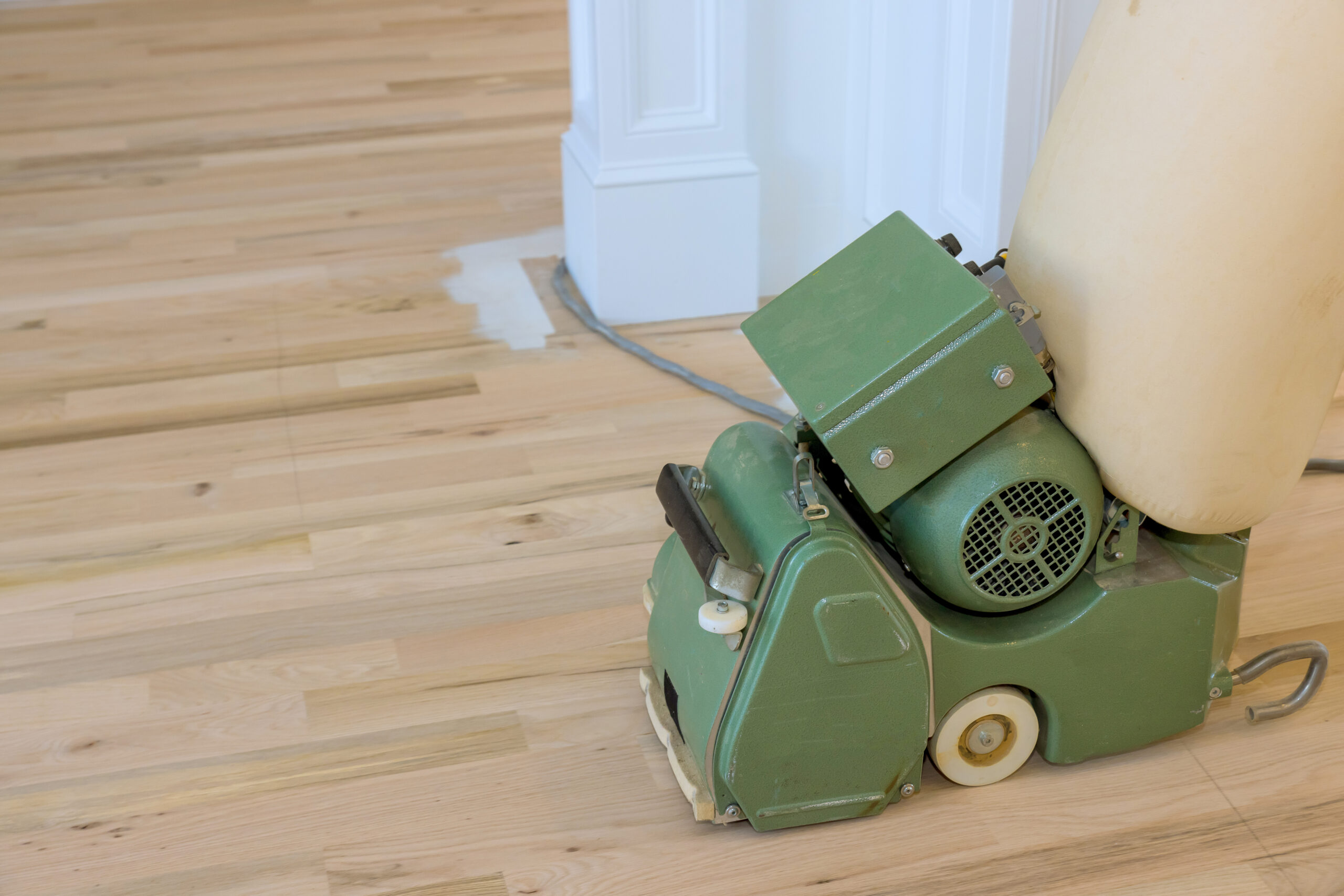
If the wood underneath is still sound, these are usually problems refinishing can fix.
Surface scratches from pets, furniture, and foot traffic can be sanded out during refinishing.
When the finish wears through in traffic areas, the bare wood starts to wear and absorb stains.
Water spots, sun fading, and graying where the finish has worn away often sand out with a full refinish.
Orange or yellowed floors can be sanded and restained to a color that fits the current style of your home.
Refinishing is a chance to change the look of the whole room. Lighter natural tones, warm mid-browns, and deeper stains each change how the space feels, and some wood species take stain more evenly than others.
We help you test stain options so you can see the color on your own wood before committing. Finish sheen matters too, since lower sheens tend to hide scratches and dust better than high gloss.
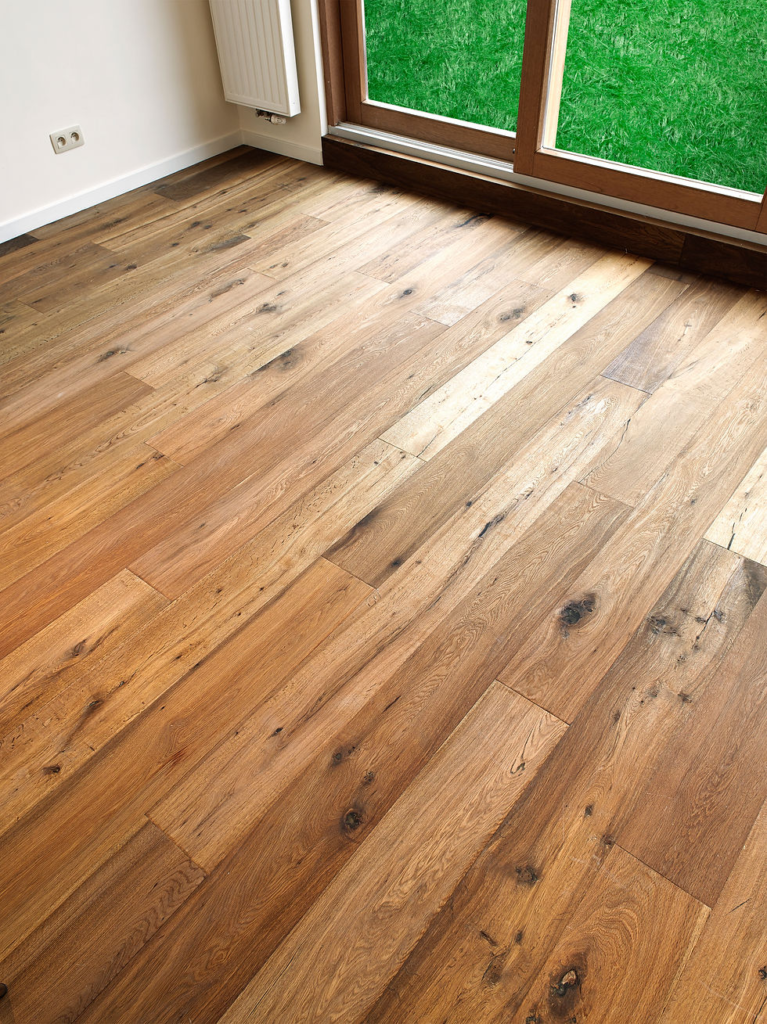
You do not need every decision made before contacting us. Here is what to expect from first visit to finished floor.
We check wood thickness, damaged boards, and past refinishing to confirm the floor is a good candidate.
Damaged boards are repaired or replaced, then the floor is sanded down to fresh wood.
Your chosen stain is applied, followed by protective finish coats with drying time between each.
We walk the floor with you and explain when foot traffic, furniture, and rugs can return.
Refinishing is usually far less than new flooring. These factors shape the price for your floor.
Clear scope and pricing before any work begins. Financing is available for qualifying projects.


 Trustindex verifies that the original source of the review is Google.
 Trustindex verifies that the original source of the review is Google.
 Trustindex verifies that the original source of the review is Google.
 Trustindex verifies that the original source of the review is Google.
 Trustindex verifies that the original source of the review is Google.
 Trustindex verifies that the original source of the review is Google.
 Trustindex verifies that the original source of the review is Google.
 Trustindex verifies that the original source of the review is Google.
 Trustindex verifies that the original source of the review is Google.
 Trustindex verifies that the original source of the review is Google.
Practical answers to the questions we hear most before a project starts.
Most refinishing projects take several days, including sanding, staining, finish coats, and drying time between coats. Larger areas and stain changes can add time.
Often, yes, if the real wood wear layer is thick enough. Some thinner engineered products can only be lightly screened or cannot be refinished. We check before recommending it.
Solid hardwood can usually be refinished several times over its life. The number depends on board thickness and how much wood was removed in earlier sandings.
Many homeowners stay home, but you will need to stay off the floors being worked on and allow time for the finish to dry. We talk through the schedule and areas to avoid.
We can usually get close by testing stain colors on your wood. Different species and ages of wood take stain differently, so an exact match is not always possible.
If the boards are solid and have enough wood left to sand, refinishing is usually the better value. If boards are badly damaged, too thin, or water damaged across large areas, replacement may make more sense.
Tell us about your floors and we will take a look at the wood, explain your options, and put together a clear refinishing estimate.