
Solid and engineered hardwood installed by an in-house team that pays attention to what is underneath and around the floor, not just the boards you see.
Hardwood can outlast the paint, cabinets, and furniture in a home several times over. Whether it does depends heavily on how it was installed. Moisture levels, subfloor flatness, acclimation, fastening method, expansion space, and layout all decide whether the floor stays tight and quiet or starts to gap, cup, and squeak.
Trademark Flooring installs both solid and engineered hardwood. We help you decide which construction fits the room, then handle removal, preparation, installation, transitions, and trim so the finished floor looks like it belongs in the house.
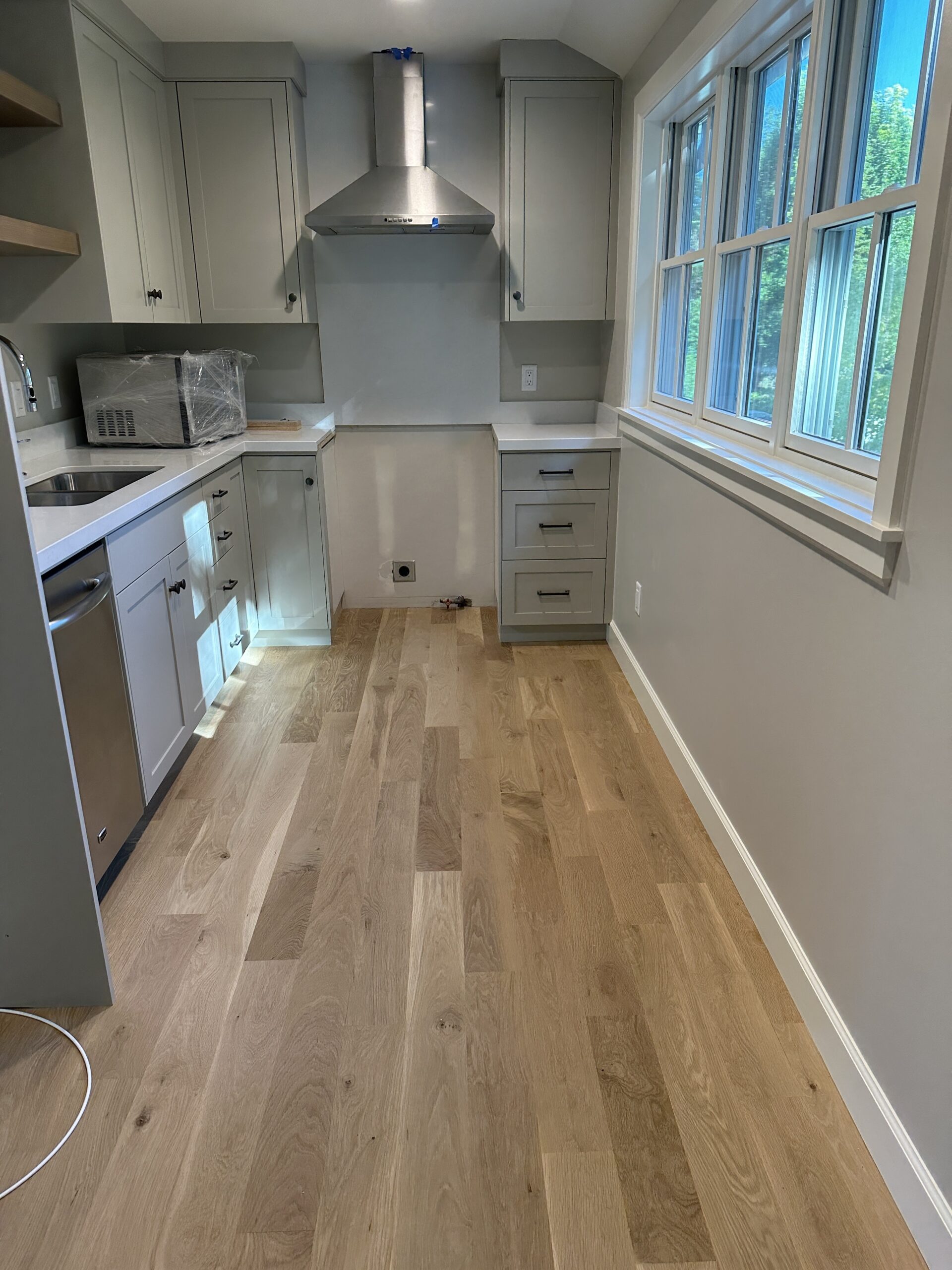
Hardwood is a great floor, but it is not the answer for every room. Here is where it tends to perform best.
Living rooms, dining rooms, entries, and hallways get the most visual impact from real wood and are usually above grade, where hardwood is most stable.
Solid hardwood can be sanded and refinished multiple times, which makes it a strong choice if you plan to stay in the house for years.
A continuous run of hardwood ties connected rooms together. Plank direction and transitions get planned before installation, not during it.
Real wood is still one of the features buyers look for. Engineered hardwood brings that appeal to spaces where solid wood is not recommended.
Solid hardwood is milled from a single piece of wood. It can be refinished many times, but it is more sensitive to moisture and is generally installed above grade over a wood subfloor.
Engineered hardwood has a real wood wear layer bonded to a stable core. It handles seasonal humidity swings better, can go over concrete in many cases, and is often the better choice for basements and slab construction. We walk through both and recommend what fits the room.
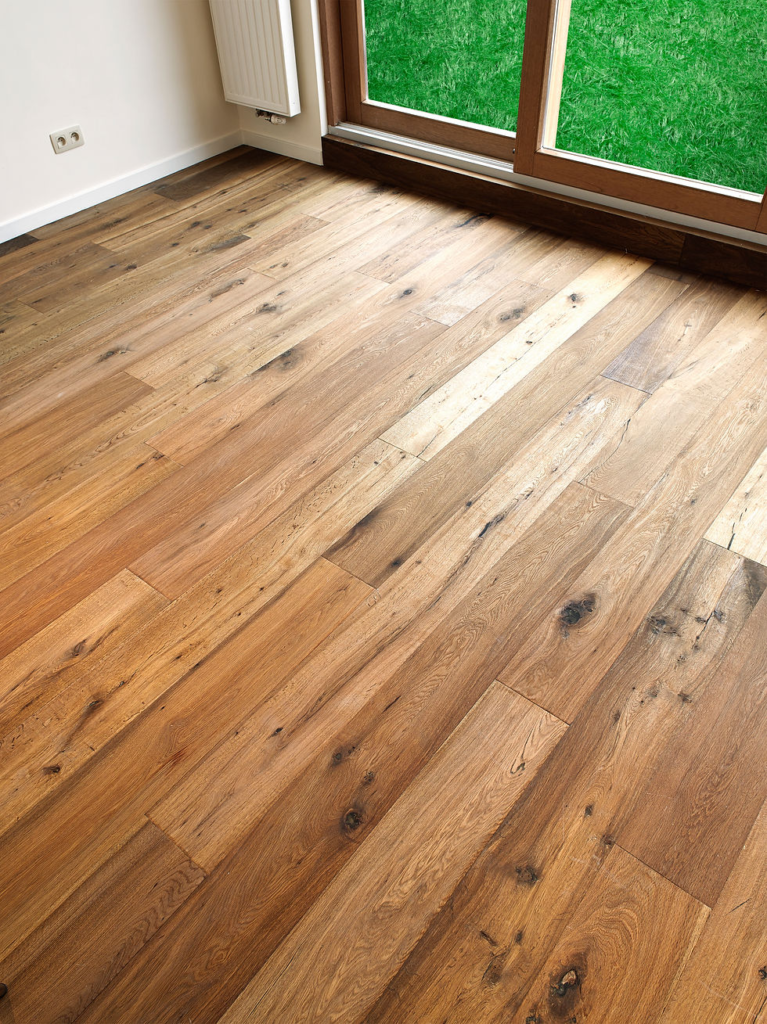
You do not need every decision made before contacting us. Here is what to expect from first visit to finished floor.
We measure the space, check the existing floor, and help you narrow down species, construction, and finish.
Old flooring is removed when included in your scope, and the subfloor is checked for flatness, moisture, and movement.
Boards are laid out for a natural look, fastened with the right method for the product, and given proper expansion space.
Transitions, stair nosing, and baseboards are finished, the site is cleaned up, and we walk the floor with you.
Every hardwood project is priced from the actual space. These are the factors that move the number the most.
Clear scope and pricing before any work begins. Financing is available for qualifying projects.


 Trustindex verifies that the original source of the review is Google.
 Trustindex verifies that the original source of the review is Google.
 Trustindex verifies that the original source of the review is Google.
 Trustindex verifies that the original source of the review is Google.
 Trustindex verifies that the original source of the review is Google.
 Trustindex verifies that the original source of the review is Google.
 Trustindex verifies that the original source of the review is Google.
 Trustindex verifies that the original source of the review is Google.
 Trustindex verifies that the original source of the review is Google.
 Trustindex verifies that the original source of the review is Google.
Practical answers to the questions we hear most before a project starts.
Most hardwood installations take a few days depending on square footage, prep work, and whether stairs or trim are included. Some products also need time to acclimate before installation. We give you a schedule after measuring.
Solid hardwood is generally not recommended directly over concrete. Many engineered hardwood products can be installed over a slab with the right moisture protection and installation method.
Usually, yes. Carpet, pad, and most floating floors need to come out so the subfloor can be inspected and prepared. Removal and disposal can be included in your quote.
It depends on the room, the subfloor, and how many times you may want to refinish the floor. Solid hardwood offers more refinishing potential, while engineered hardwood handles moisture changes better and works in more locations.
Sometimes. We look at the species, width, and finish of your current floor and tell you how closely a new product can match, or recommend a clean transition instead.
Yes. Our installation work is backed by a 2-year labor warranty, in addition to any manufacturer warranty on the product.
Tell us about the rooms you are updating and we will help you choose the right hardwood and put together a clear installation estimate.